The Kurdish Conflict and Öcalan’s Ceasefire Call: A Path to Peace or a Strategic Gamble?

By Gabriele Leone The conflict between the Kurdistan Workers' Party (PKK) and the Turkish state represents one of the longest-running low-intensity wars in contemporary history, with a death toll exceeding 40,000 and a significant impact on Turkish and Middle Eastern politics and society. Rooted in ethnic tensions and the repression of Kurdish cultural and political... Continue Reading →

Turkey With or Without A Climate Change Strategy?

By Seven Erdoğan Climate change, recognized as a significant threat multiplier, has the capacity to intensify existing risks and vulnerabilities, affecting ecosystems, societies, and economies around the world (Dodson et al., 2020). Its far-reaching impacts have made it an urgent global concern, prompting governments and organisations around the world to reassess their approach to sustainability,... Continue Reading →

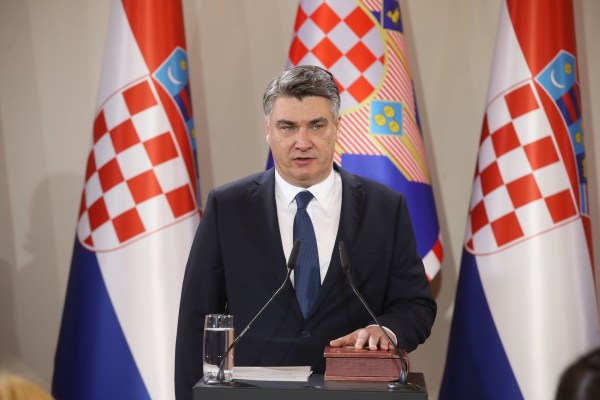
Zoran Milanović as “Presidential Opposition Leader:” More Blessing, More Curse?

by Oliver Kannenberg (Institute for Parliamentary Research, Berlin) The presidential elections were already the third round of voting for Croatian citizens in 2024. Prior to that, early parliamentary elections had been held on 17 April, followed by the European Parliament elections in June. In both cases, the conservative Hrvatska Demokratska Zajednica (Croatian Democratic Union, HDZ),... Continue Reading →

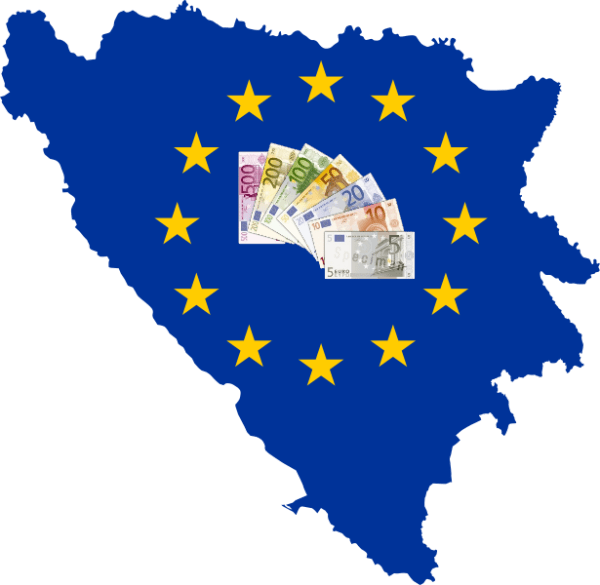
The Financial Dimension of Europeanization in Southeastern Europe: a Socio-Anthropological View from Bosnia and Herzegovina

While the political Europeanization of most of the Western Balkans remains uncertain, its financial dimension already structures both materially and socially the daily lives of almost every household in the region. European banks have become dominant in Bosnia and Herzegovina as in many other Southeastern European (SEE) countries at a time when economic transformations have caused citizens to struggle with credit and debt. Although this has assured households a wider access to credit, at the same time it has increased their vulnerability to the Eurozone’s financial instabilities and their exposure to speculative dynamics carried out by banks outside of the EU regulative framework.

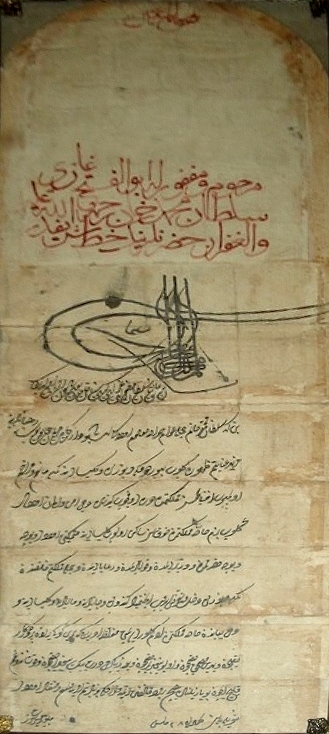
A Career of a Document: Ahdname and the Politics of Archives in Ottoman Bosnia and Beyond

In the most recent case of Balkan “archive fever,” Croatian Parliament discussed whether or not to unseal the archives as a step towards “overcoming the national divide.” Aside from being a populist move, the underlying assumption is clear: archival records are transparent, mirroring the truth and reality. Around the same time, another discussion of Bosnian post-WWII archives took place, in which Max Bergholz shared his experience in navigating archives (and basements) in search for highly sensitive material. Between lustration and politicized, bureaucratized, or outright neglected archival practices, however, there is little or no discussion on what archives mean for historians and public, how they change, and what narratives they tell.

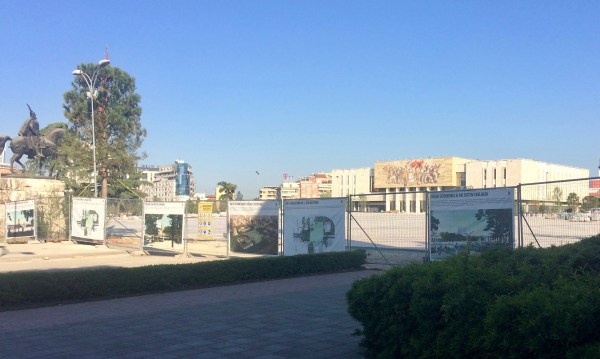
Albania under Construction: The Façade of Politics

Analyses of the megalomaniac remake of Skopje, also called Antiquisation, have been both frequent and trenchant in their criticism, but a similar attention has rarely been paid to the on-going reconstruction of the neighbouring Albania. Not only before elections as right now – though construction companies make huge profits in the pre-electoral period – Albanian urban landscape has been undergoing dramatic changes in the past decade. But my recent trip to Albania made me wonder – what are these new façades hiding

Europeanisation and Democratic Regression in Southeast Europe: Reflections on a Research Agenda

In the wake of the integration of ten Central and Eastern European (CEE) countries into the European Union (EU), EU enlargement was hailed as the most successful tool for external democracy promotion (Dimitrova and Pridham 2004; Schimmelfennig and Scholtz 2008; Vachudova 2005). As long as the expected reward was sufficiently attractive, the domestic political costs for adaptation low, and the membership promise credible, it was expected that the perspective of enlargement coupled with EU conditionality would readily result in democratic change.

Ethical approaches to refugee-related research.

The interest on forced migration has visibly grown with the so-called “long summer of migration” in 2015, which represented an unprecedented phenomenon for the Yugoslav successor states, located along one of the main refugee paths – the Western Balkan route. While the growing influx of people fleeing the Middle East region brought about a rise in solidarity initiatives among the civil society, in academia refugee-related research rose sharply.

Blog at WordPress.com.

Up ↑